


We use cookies to provide you with an optimal user experience. Some cookies are necessary for the operation of the site, others are used for statistical purposes, comfort settings, or to display personalized content. You can decide for yourself which cookies you want to allow. Please note that due to your settings, not all functionalities of the site may be available. For more information, please see our Privacy Policy and Cookie Policy.
Details
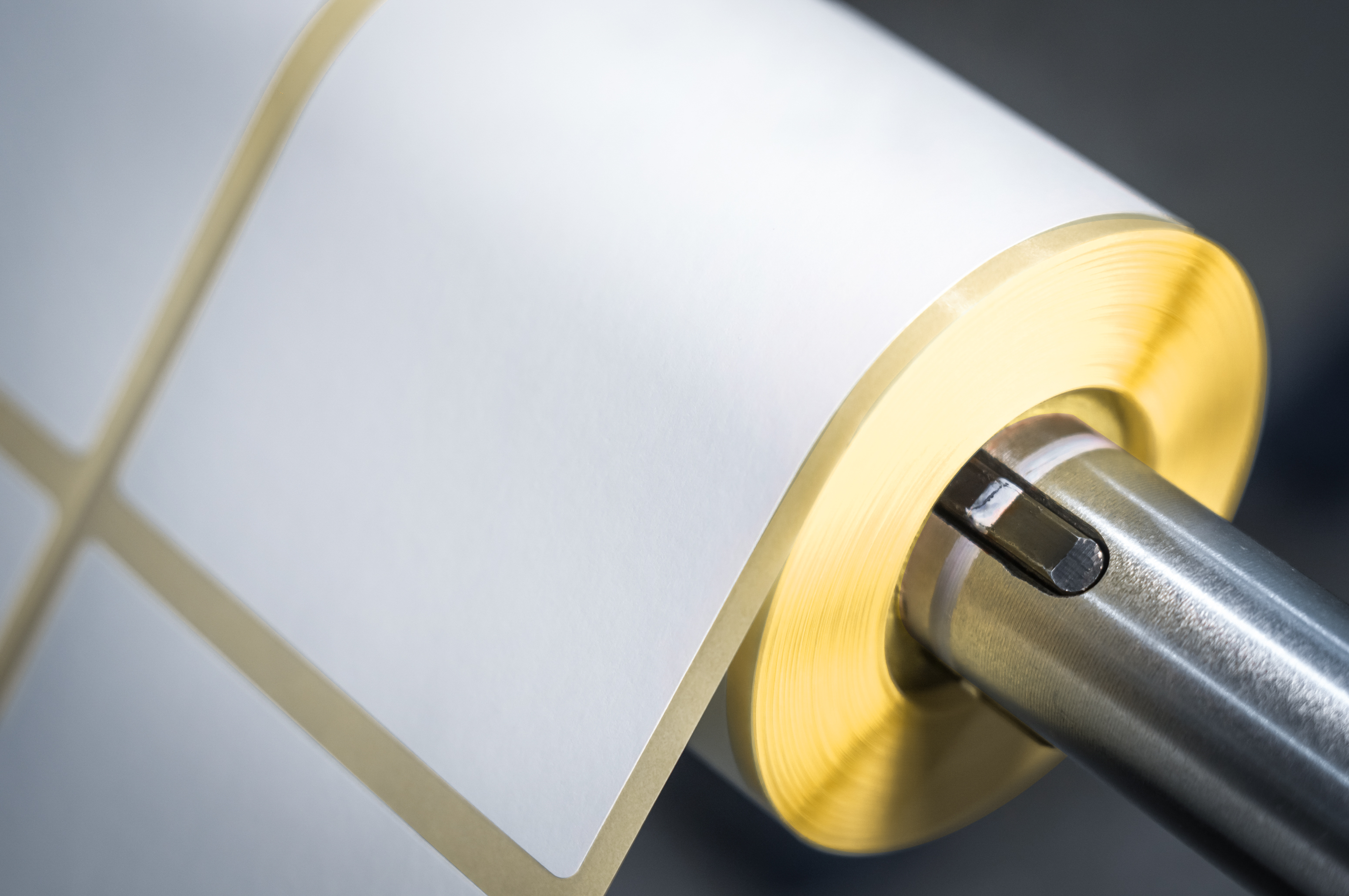
Why the right fit between adhesive and release liner is becoming increasingly important
The requirements for the interaction between pressure-sensitive adhesives (PSAs) and release liners have changed significantly in recent years. A central driver is the broad range of regulatory developments at both European and global levels. New rules related to chemical substances, migration, recyclability, and circular‑economy compliance mean that adhesive systems must be reformulated or adapted to changing material streams. These technological and regulatory shifts are a key reason why release liners are now under greater pressure to deliver higher performance while ensuring greater stability and processing reliability.
At the same time, the industry’s desire for standardization, efficiency gains, and cost reduction remains unchanged. Yet this creates a clear conflict of objectives: while standardization can simplify processes, it often introduces limitations that slow down innovation. In practice, many new PSA formulations cannot be reliably processed without sufficient flexibility in release liner design. The more adhesives are modified in response to performance needs or regulatory requirements, the more precisely the liner’s properties must be aligned with them.
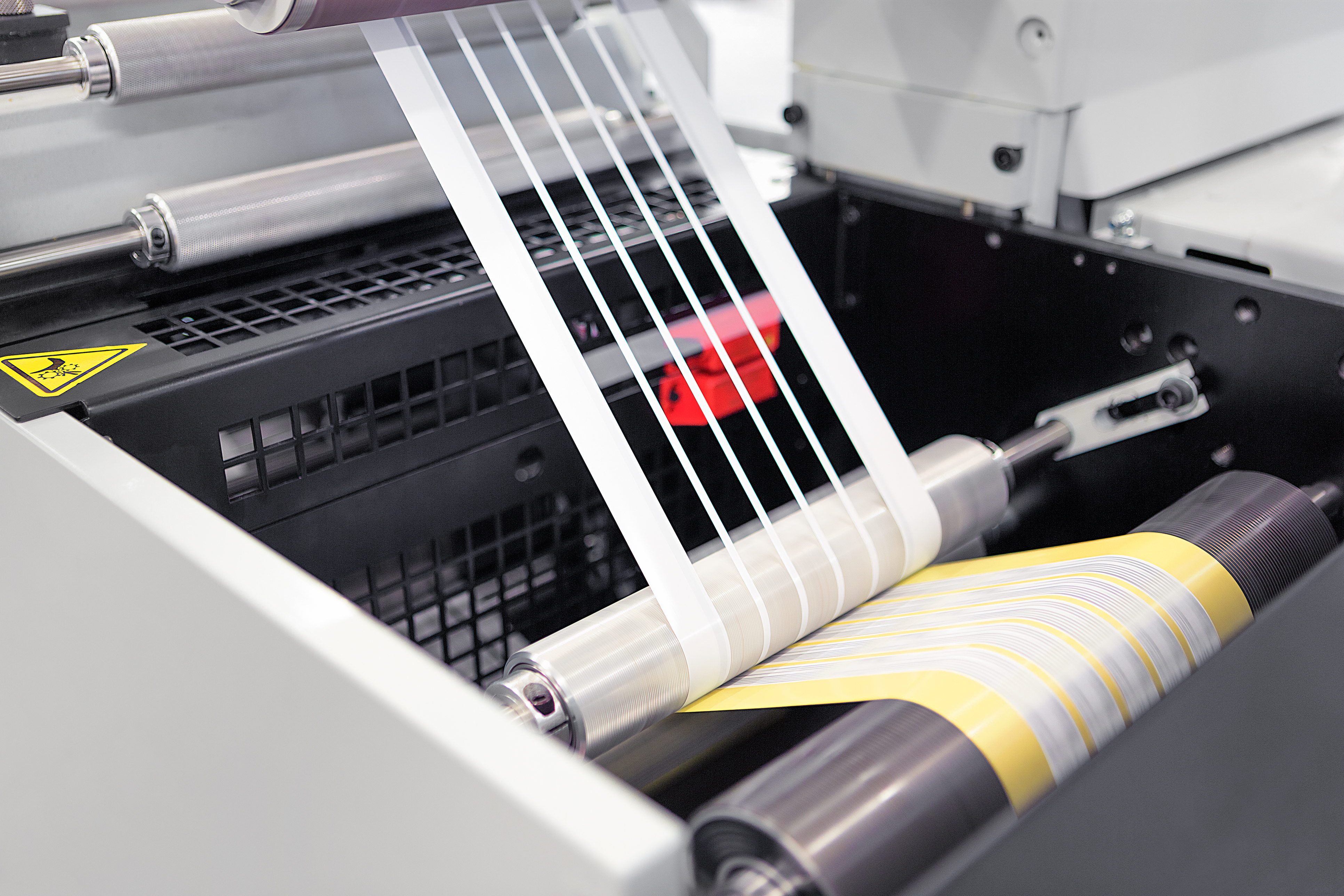
Regulatory pressure meets technological development
Regulatory frameworks — such as REACH, packaging and recycling directives, or material‑compliance rules — increasingly influence raw‑material selection for both adhesives and release liners. At the same time, new PSA technologies are emerging, including low‑migration systems, hotmelts with novel polymer architectures, and optimized UV‑curing systems.
These developments increase the complexity at the adhesive–liner interface and affect:
- the required release force,
- long‑term stability under varying climate conditions,
- processing performance during coating, converting, and application,
- and, ultimately, the recyclability of PSA constructions.
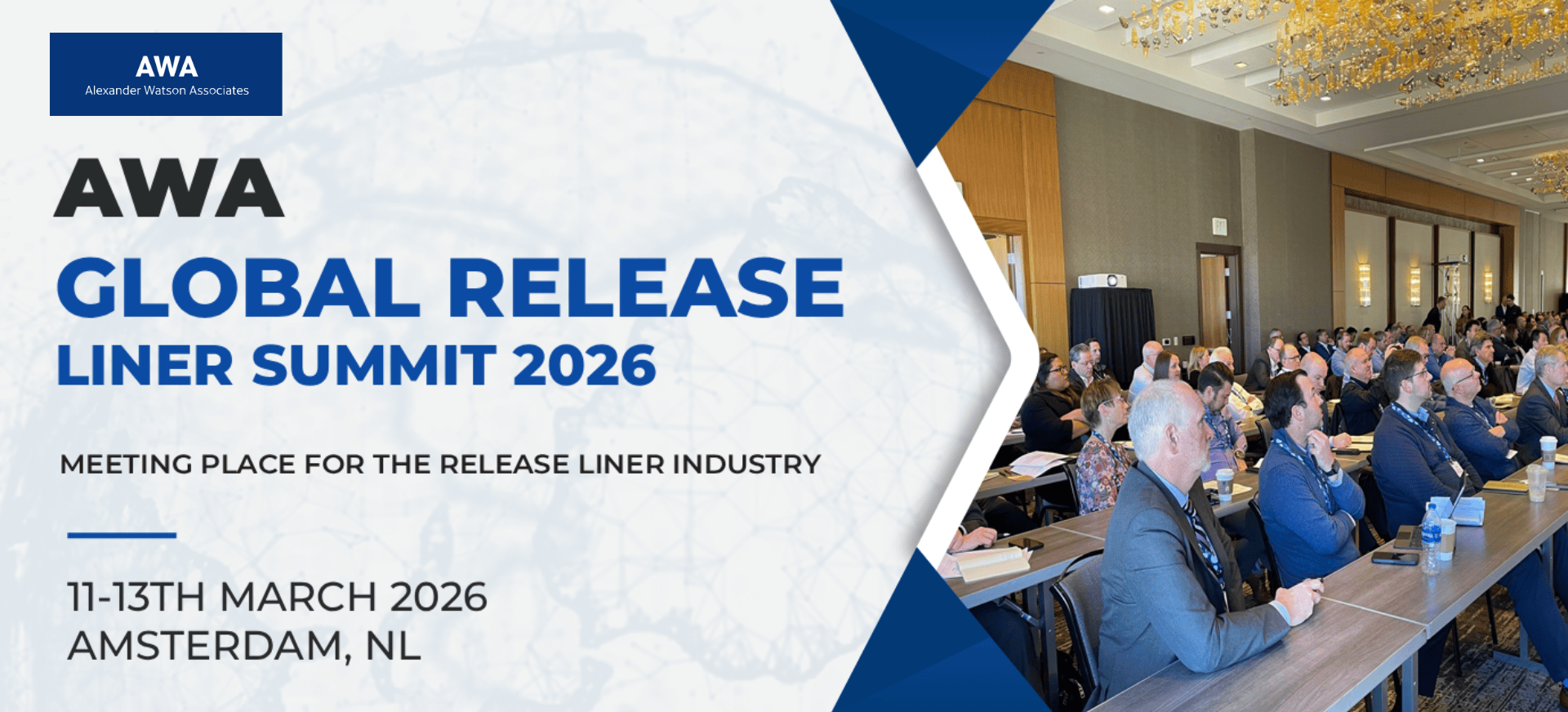
At the market level, the demand for sustainable solutions continues to grow. This is reflected at the AWA Global Release Liner Summit 2026, which places a strong emphasis on innovation and sustainability in the release‑liner industry.
Why rigid standardization slows innovation
There are multiple reasons why hot melts are particularly beneficial for these kinds of challenges. First off, they provide a strong adhesive force on a variety of materials such as plastics, metals and textiles. Secondly, they stay flexible even after being cured. As a result, in many cases they make a significant contribution to ensuring the functionality of medical devices and equipment.
Other benefits include adjustable adhesion, even when already placed on the skin, breathability and the longer application times that come with it.
The fact that the antimicrobial hot melts are transparent can also play a role, in the case of incision films or wound dressings for example, which make it possible to observe the wound without having to remove the dressing.
Innovation requires room to maneuver.
An overly standardized release liner can:
- limit the performance of new adhesive formulations,
- negatively affect important converting and processing characteristics,
- or cause unintended interactions (e.g., migration effects or undesired changes in adhesion).
Flexibility is therefore not a luxury — it is a prerequisite for technological progress. Only when adhesive and liner development are considered together can truly new solutions emerge for applications such as labels, tapes, technical films, or medical PSA products.
Ian Grace’s contribution at the AWA Global Release Liner Summit
These relationships are the focus of Ian Grace, Business Development Manager at artimelt, in his presentation “What You Should Know About Adhesive & Liner Compatibility.” Ian brings decades of international experience in product development, technical support, and business development in the adhesive and release‑liner industries — offering a perspective deeply rooted in technical practice.
His key message:
- Only those who understand how these materials interact can make the right decisions — technologically, regulatory, and economically.
Conclusion
The industry is at a turning point: regulatory change and new adhesive technologies present challenges but also open up significant opportunities for innovation. Release liners play a decisive role in this evolution — not as an accessory, but as an active functional component within the PSA system.
Compatibility is therefore not a detail. It is a key factor in ensuring future‑proof performance.